
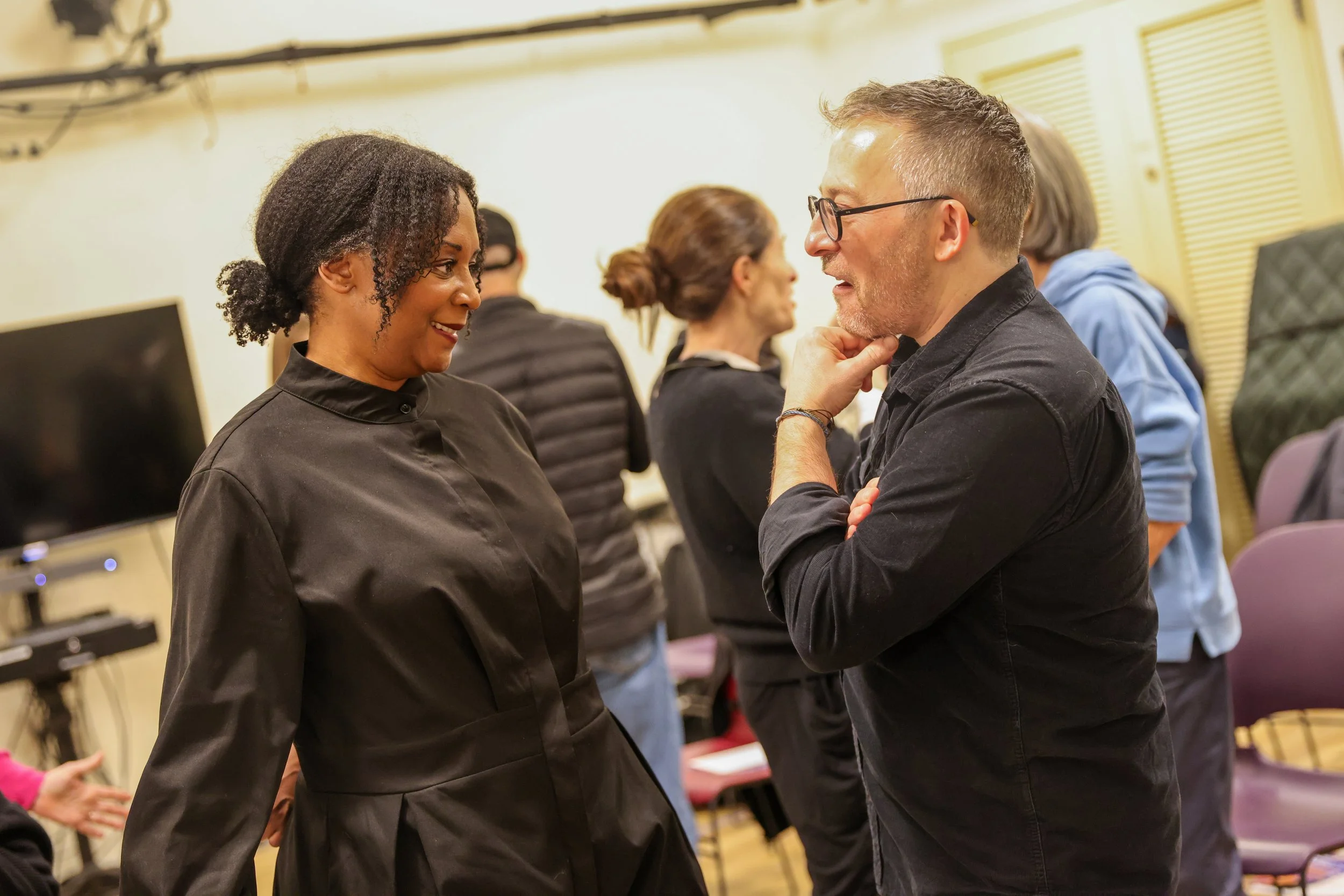
People, Not Stuff: The Unplugged Model at Playwrights Horizons
“Playwrights Horizons exists to put as much new theater in front of as many audiences as possible, all the time. To this end, our aim is to turn today’s constraints into an asset, stretching each dollar as far as we can; creating new ways to produce; rediscovering what’s essential about the experience of live theater.” – Artistic Director Adam Greenfield
In its 2025-2026 season, Playwrights Horizons inaugurated a new production model, Unplugged, with the world premiere of The Dinosaurs by Jacob Perkins, directed by Les Waters. The initiative was designed to address rising production costs, resource intensity, and environmental impact in contemporary theater while preserving artistic integrity and fair compensation.
The Dinosaurs became both a theatrical work and a proof of concept for this sustainable production framework.
The Challenge
Theater production has become increasingly resource-intensive. High material costs, technological upgrades, custom-built sets, and rental-heavy lighting and sound practices have escalated environmental impact while reducing programming flexibility.
Simultaneously, shorter seasons and budget constraints have resulted in fewer employment opportunities for artists. Playwrights Horizons identified three pressing challenges:
Escalating physical production costs
Environmental strain from build-and-dispose practices
The need to protect artist compensation
The organization sought a model that reduced material consumption without reducing pay or creative ambition.
The Intervention: The Unplugged Model
Unplugged re-centers theater around performance, text, and audience. Its core principle is summarized in its motto: “People, Not Stuff.” Under this model, productions rely on in-house inventory and equipment, eliminate rentals and new builds, avoid projections and automation, and maintain standard union compensation.
These constraints were not treated as limitations to overcome but as creative conditions to work within. Director Les Waters reflected on this discipline, noting, “There is an attraction to doing something that has very strict parameters that you have to work within. It fires up the imagination.” Playwright Jacob Perkins echoed this perspective: “In the vein of the original commission, this is a play that’s always thrived because of limitations… the limitations will free up more creativity in the room.”
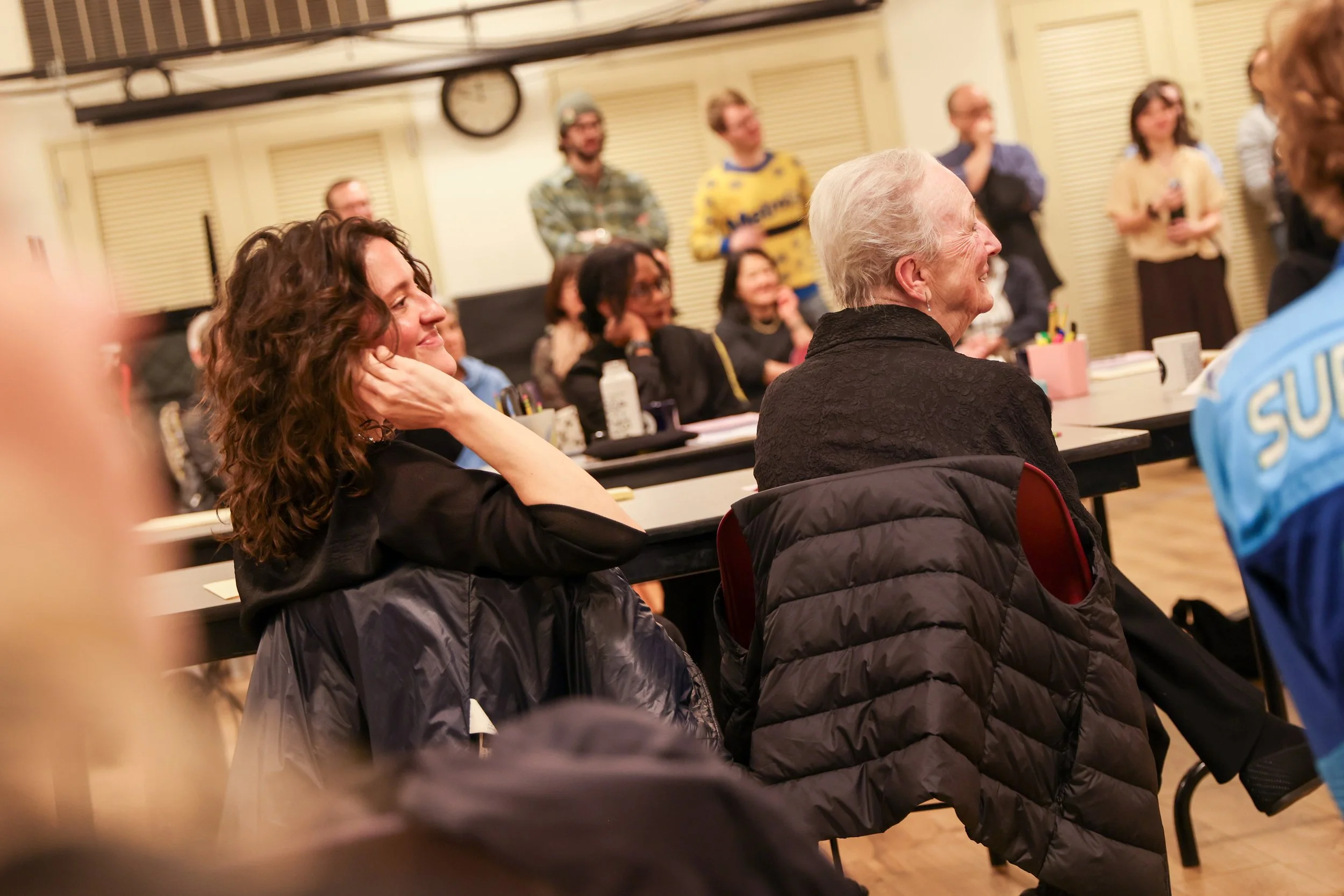
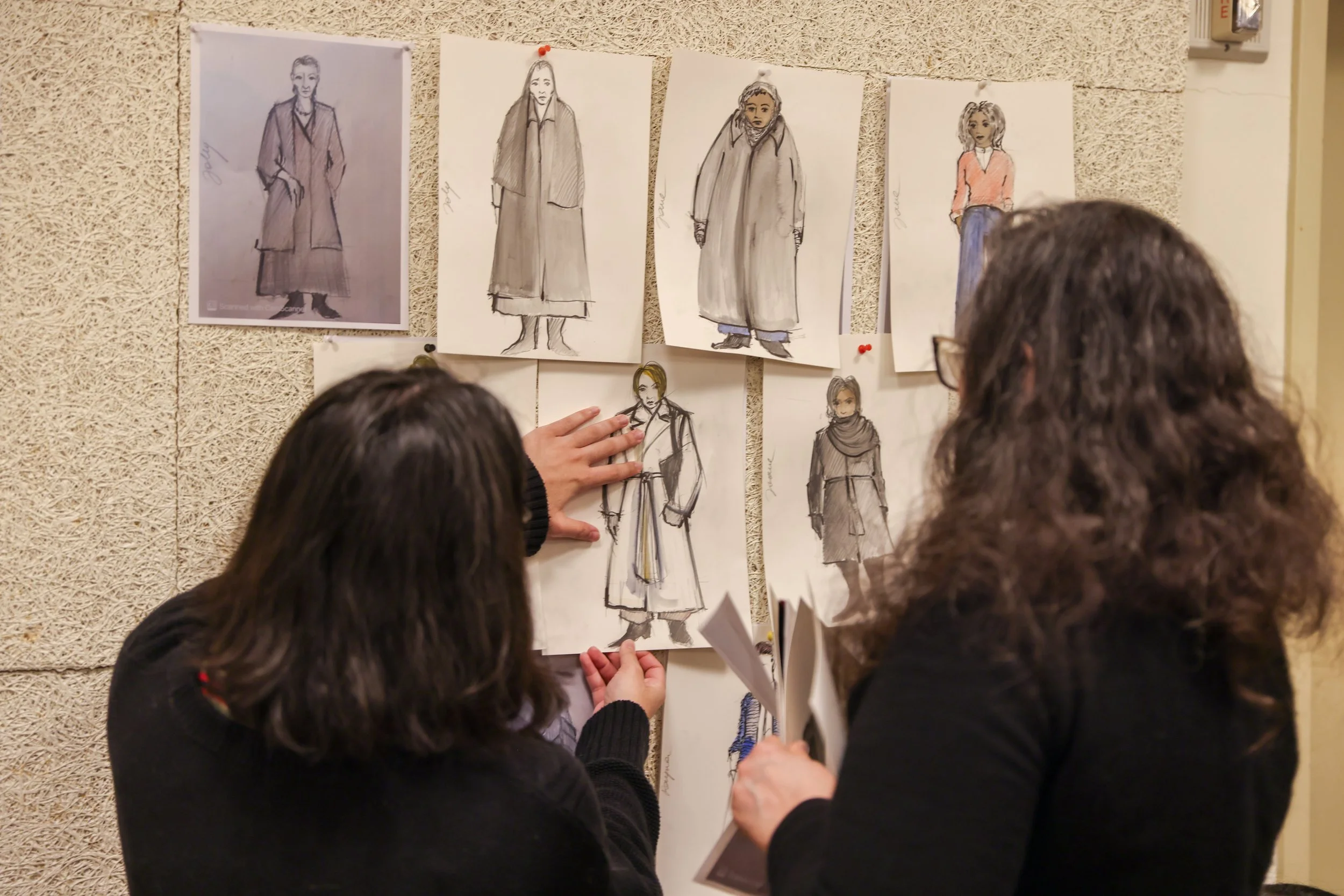
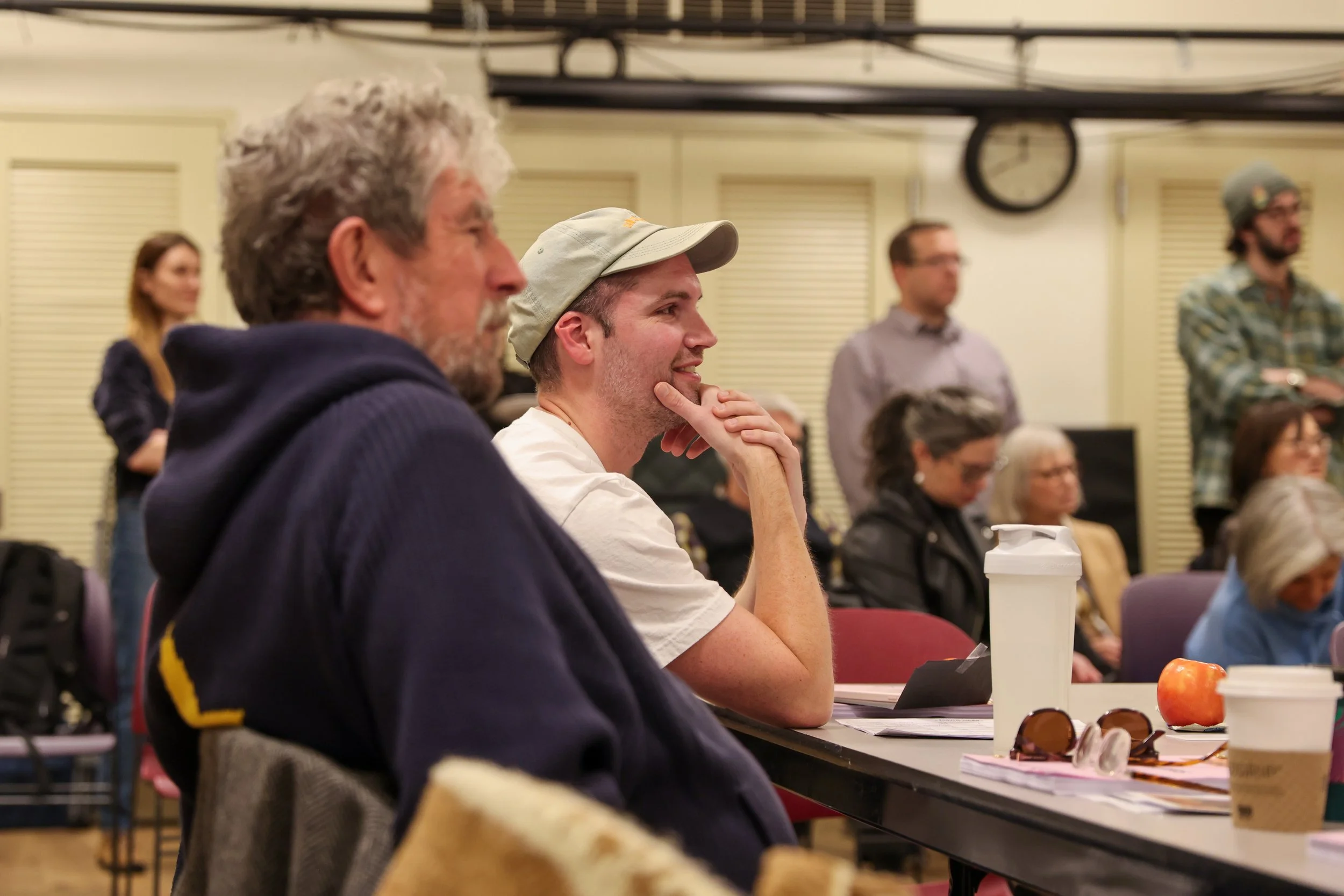
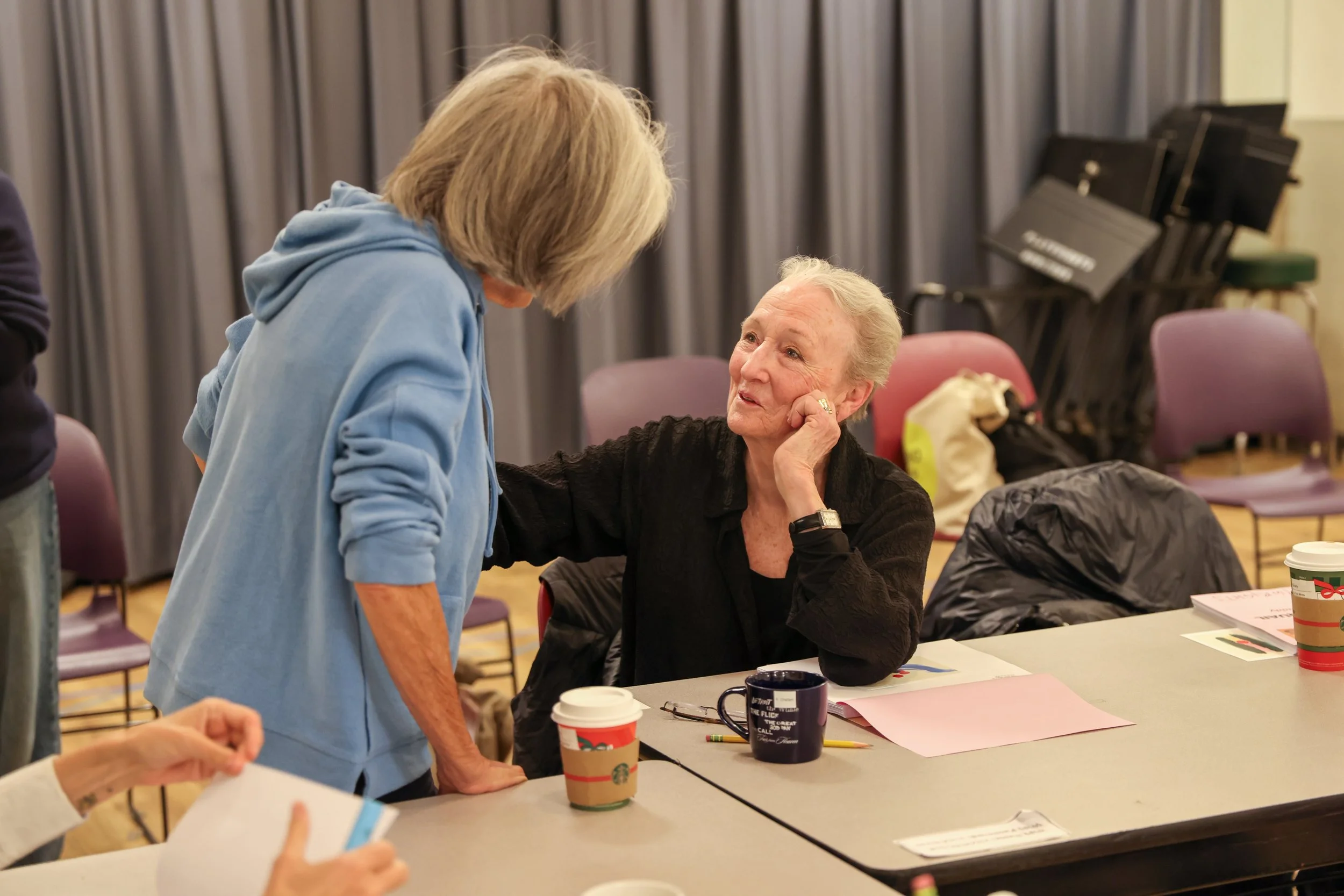
Rather than functioning as a workshop or scaled-down rehearsal, Unplugged was implemented as a mainstage production model with full artistic legitimacy. The Dinosaurs was selected as the inaugural production because of its narrative framework - a recurring recovery meeting in a single room - that aligned naturally with spatial restraint.
Embedded within this structure are clear sustainability outcomes:
1. Material Reduction
The elimination of custom-built scenery, lighting rentals, projections, and technical spectacle significantly reduced:
- Construction waste
- Transportation emissions
- Energy consumption
- Short-lifecycle scenic materials
2. Reuse Infrastructure
By assembling the set from existing in-house inventory, the production extended the lifecycle of stored materials and reduced demand for new fabrication.
3. Energy Discipline
Limiting lighting and sound to in-house conventional equipment reduced technological load and resource dependency.
4. Financial Reallocation
Physical production budgets were intentionally minimized while maintaining artist pay parity with traditional mainstage productions.
Together, these measures demonstrate a defining principle of the model: environmental reduction without labor compromise.
Why It Worked
The Dinosaurs worked because the play and the production model reinforced one another. Its single-room structure made minimal design feel deliberate rather than imposed, and as Perkins and Waters emphasized during development, constraint became a catalyst for imagination rather than a compromise. Unplugged was positioned as a structural rethink of production rather than an exercise in cost-cutting. Just as importantly, standard union compensation remained intact, demonstrating that environmental responsibility did not require sacrificing artistic labor.
Why It Matters
The Unplugged model challenges the assumption that spectacle equals artistic value. By centering actors, language, and audience experience, it repositions theater as an inherently low-material art form.
At a time when cultural institutions face rising costs and climate urgency, this model offers:
A replicable sustainability framework
A labor-protective financial model
A reorientation toward essential theatrical elements
As Playwrights Horizons describes, the goal is to build “a healthier and more sustainable future” for theater.
The Unplugged model demonstrates that sustainability in theater is not about scaling back ambition, but about redefining where value is placed. By reducing material consumption while protecting artists and creative integrity, Unplugged offers a replicable framework for a more resilient and environmentally responsible future in live performance.