
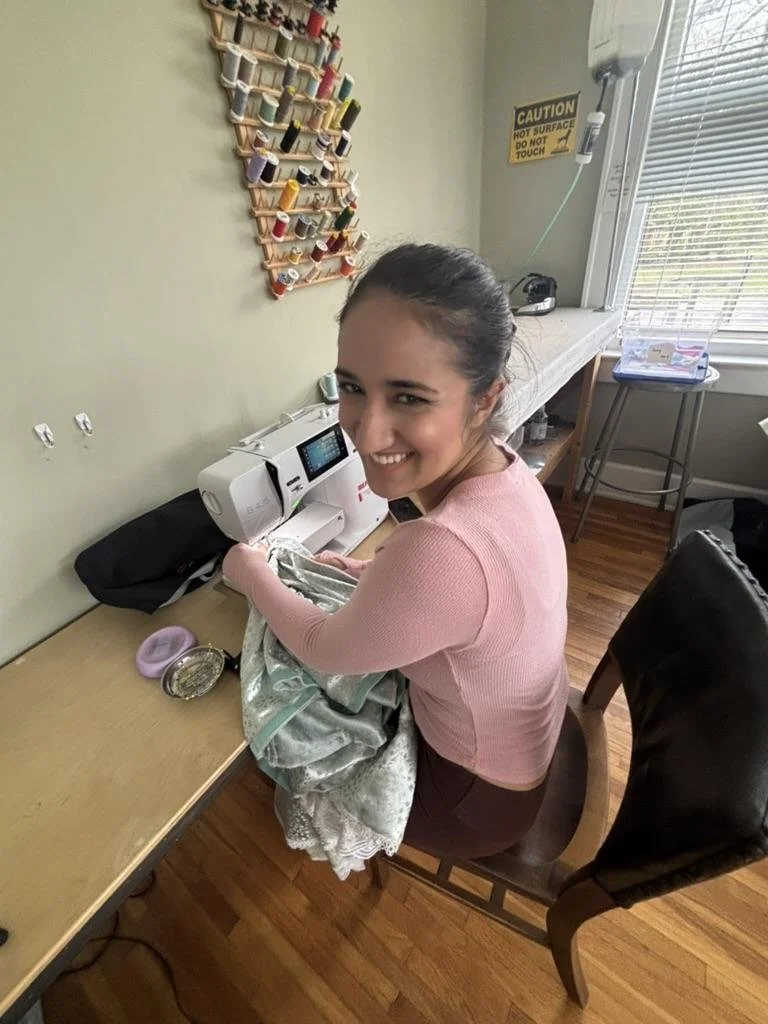
The Lipscomb University Department of Theatre and Dance was selected for a special "Outstanding College Department" award in this year's College Green Captain Award season. Through environmentally conscious production practices, sustainability-focused education, and a culture of resourcefulness, the department has made sustainability a core part of its artistic and academic mission.
Notable sustainability initiatives include:
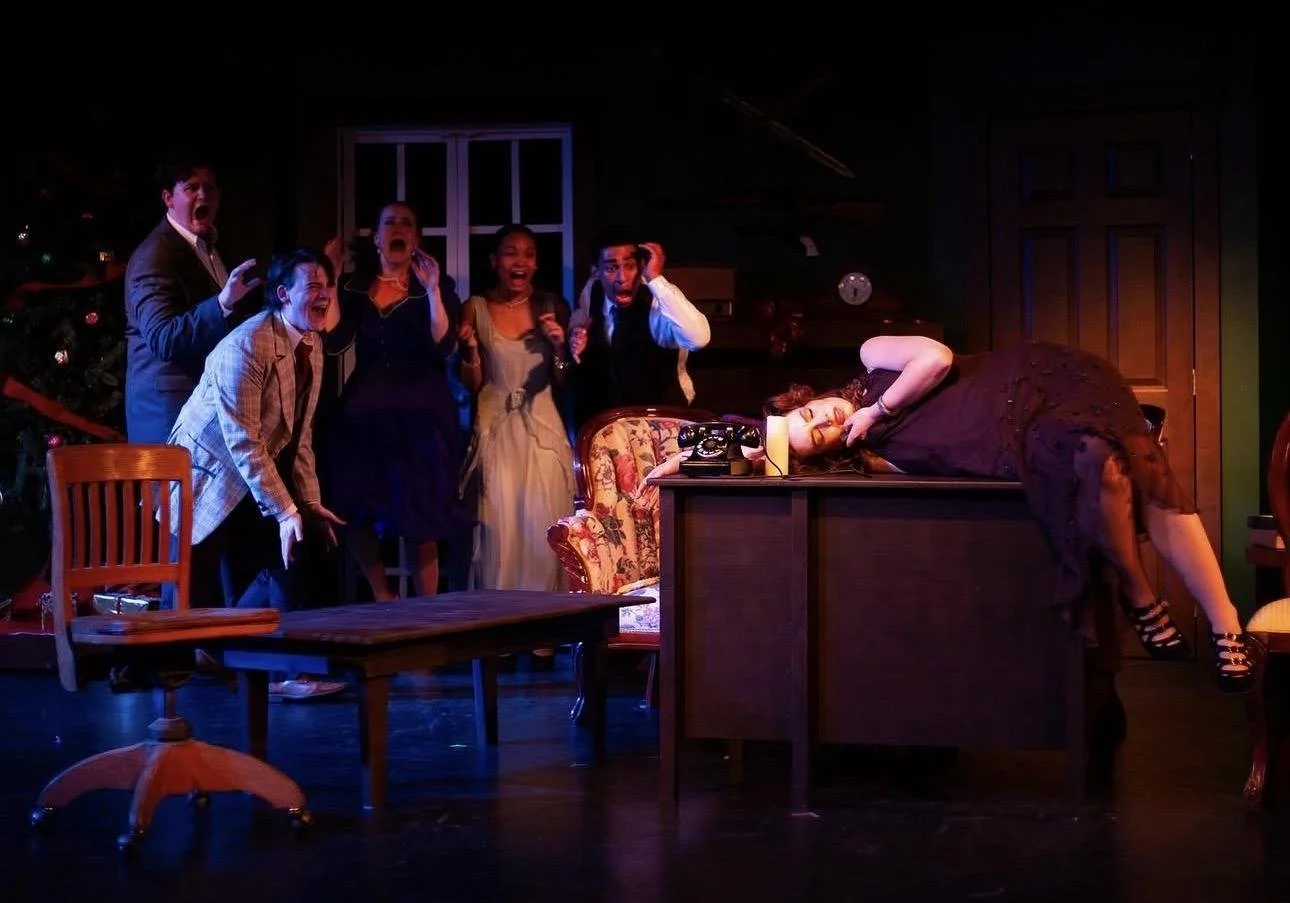
The Game’s Afoot: Produced using at least 90% recycled, reclaimed, sustainably sourced, or reduced-emission materials in its scenery and costumes.
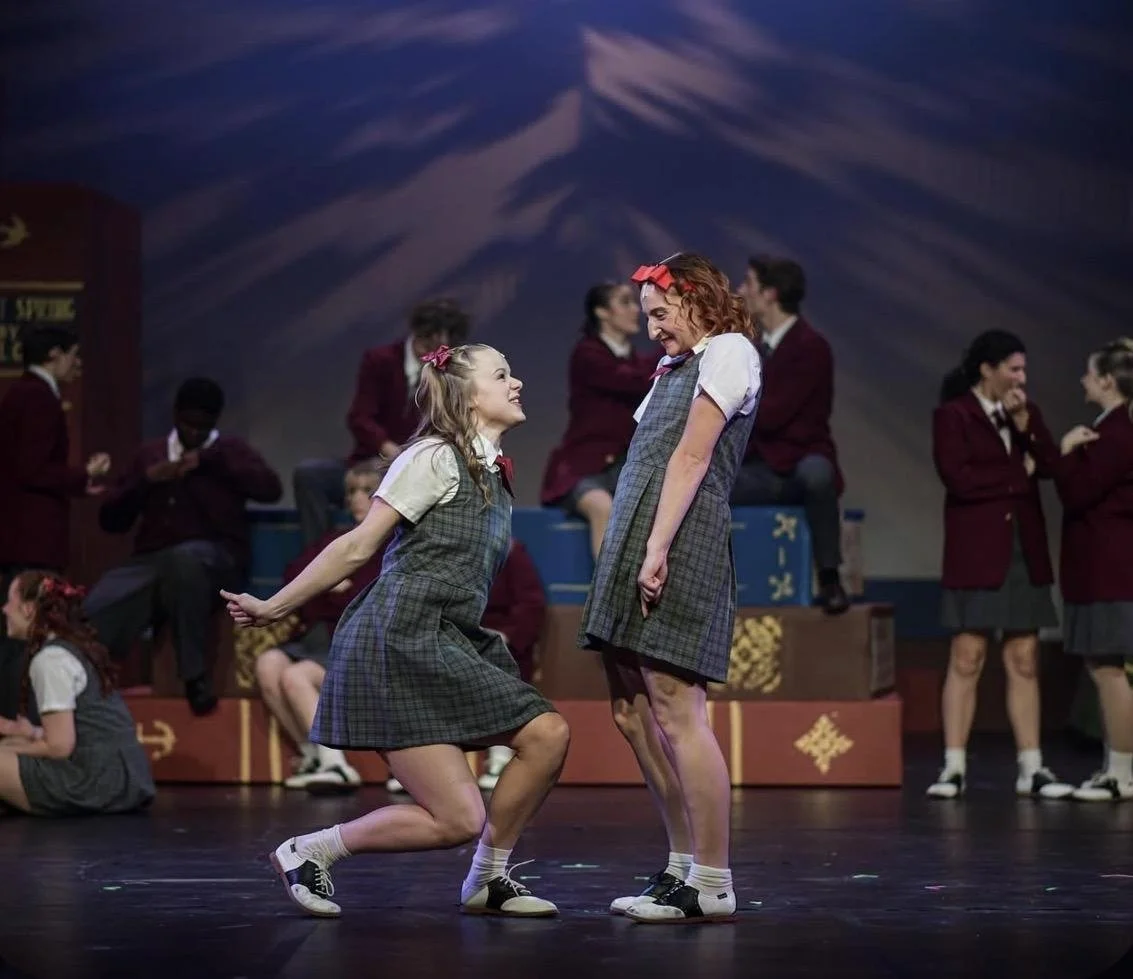
Matilda the Musical: Constructed entirely from reused set pieces from previous productions, with costumes preserved for future educational and performance use.
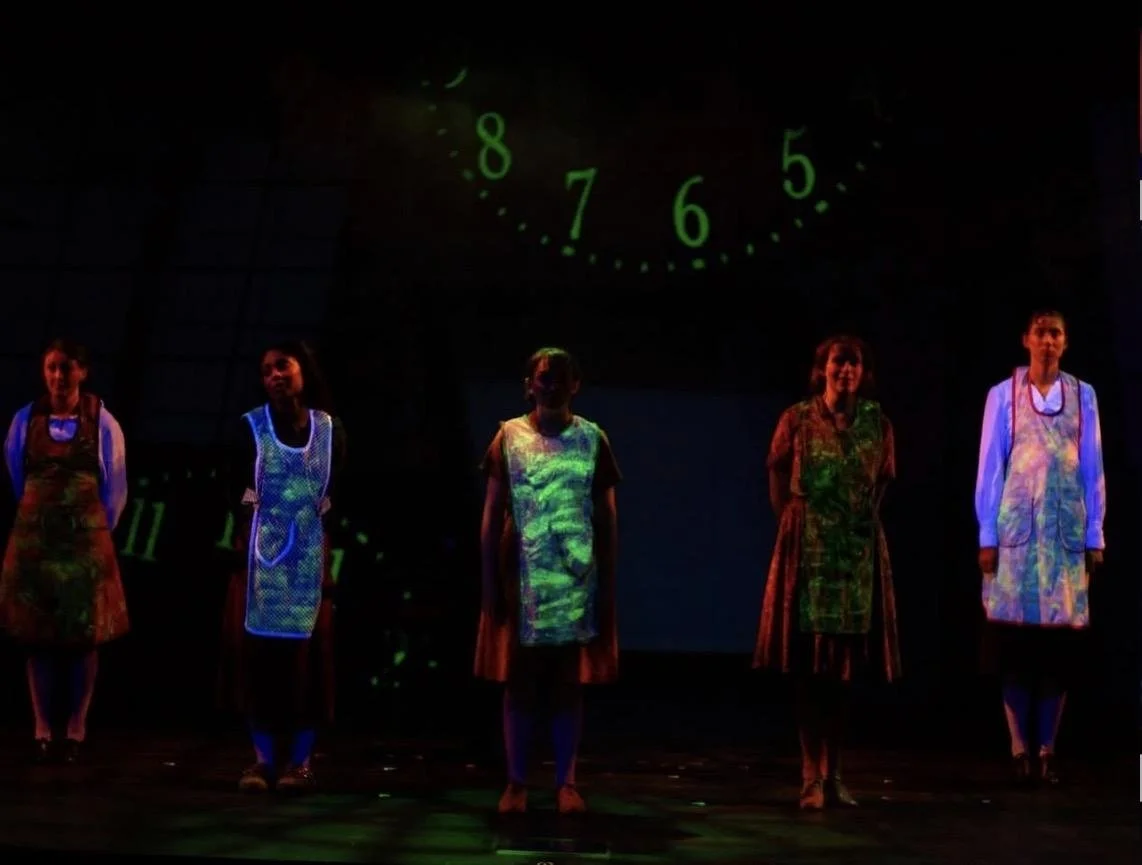
Radium Girls: Built approximately 80% of its scenery from recycled or repurposed materials.
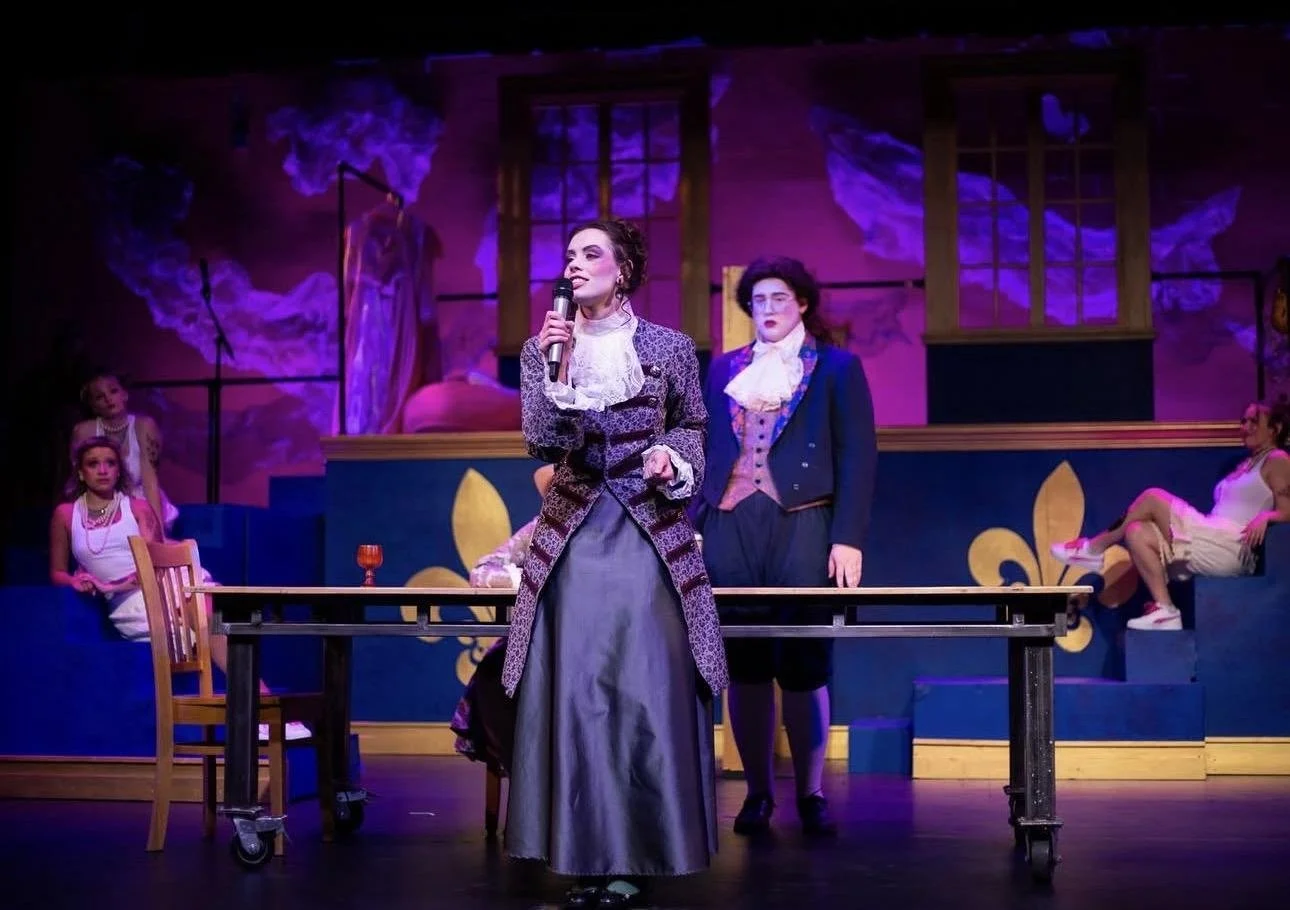
School for Wives: Built approximately 90% of its scenery from recycled or repurposed materials.
Cats: Created handmade costume pieces from donated and reclaimed materials, including cat tails made from scrap yarn and fabric. The production’s costumes were later sold to a local rental company, extending their lifespan and making them available to future schools and productions.
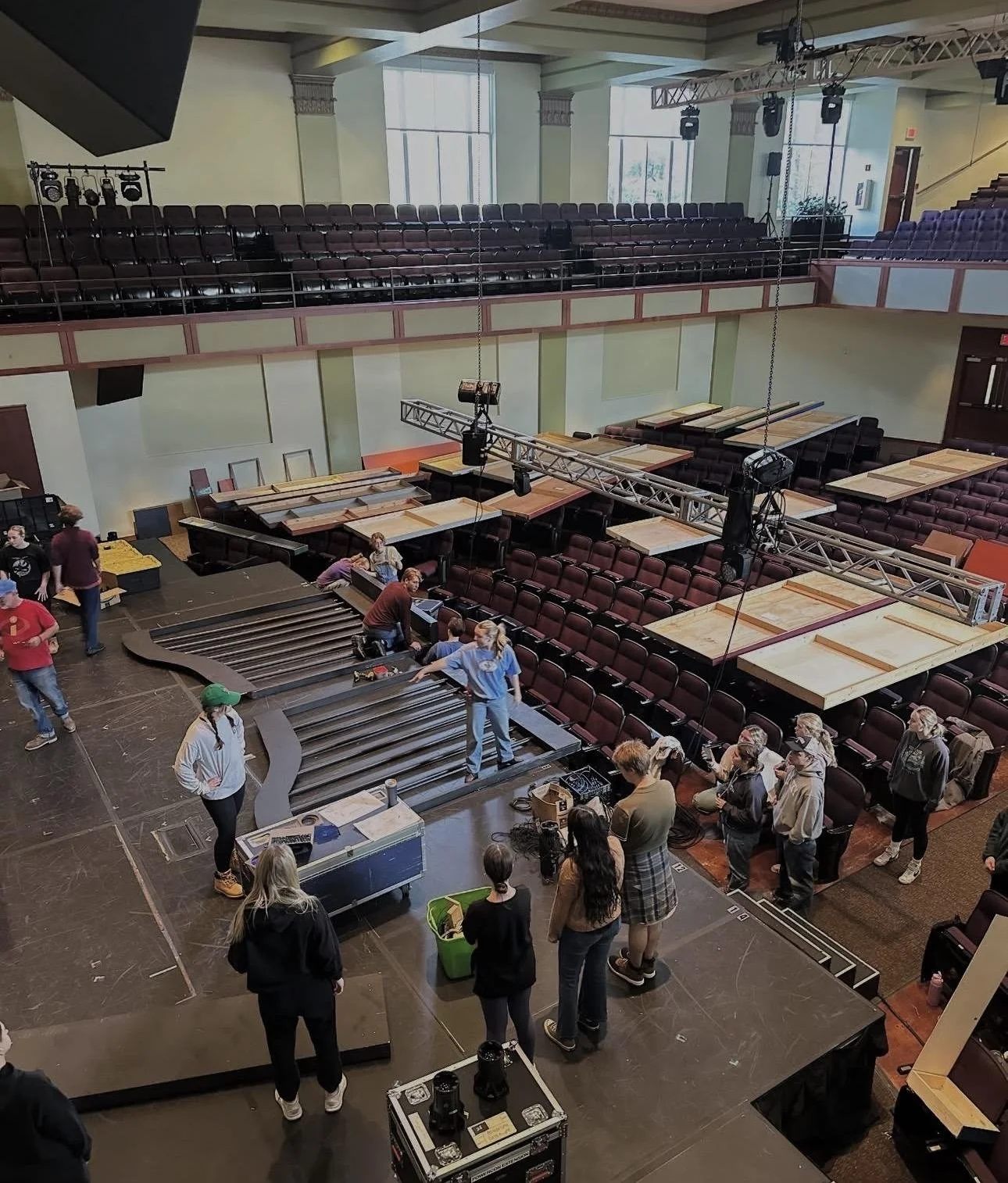
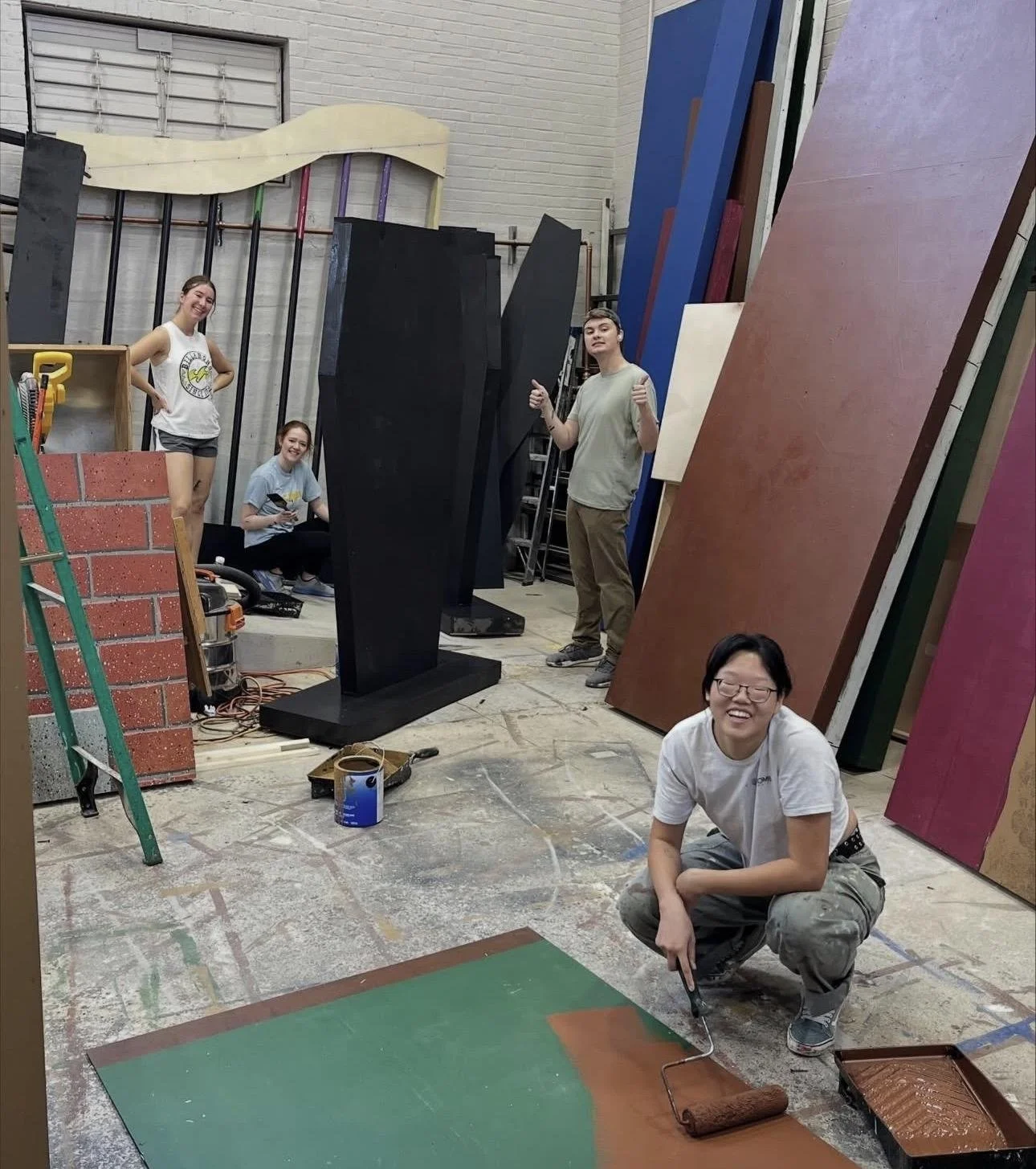
Scenic construction practices: Prioritized rebuilding and reworking existing sets whenever possible, while sourcing all new lumber and building materials from certified sustainably harvested mills.
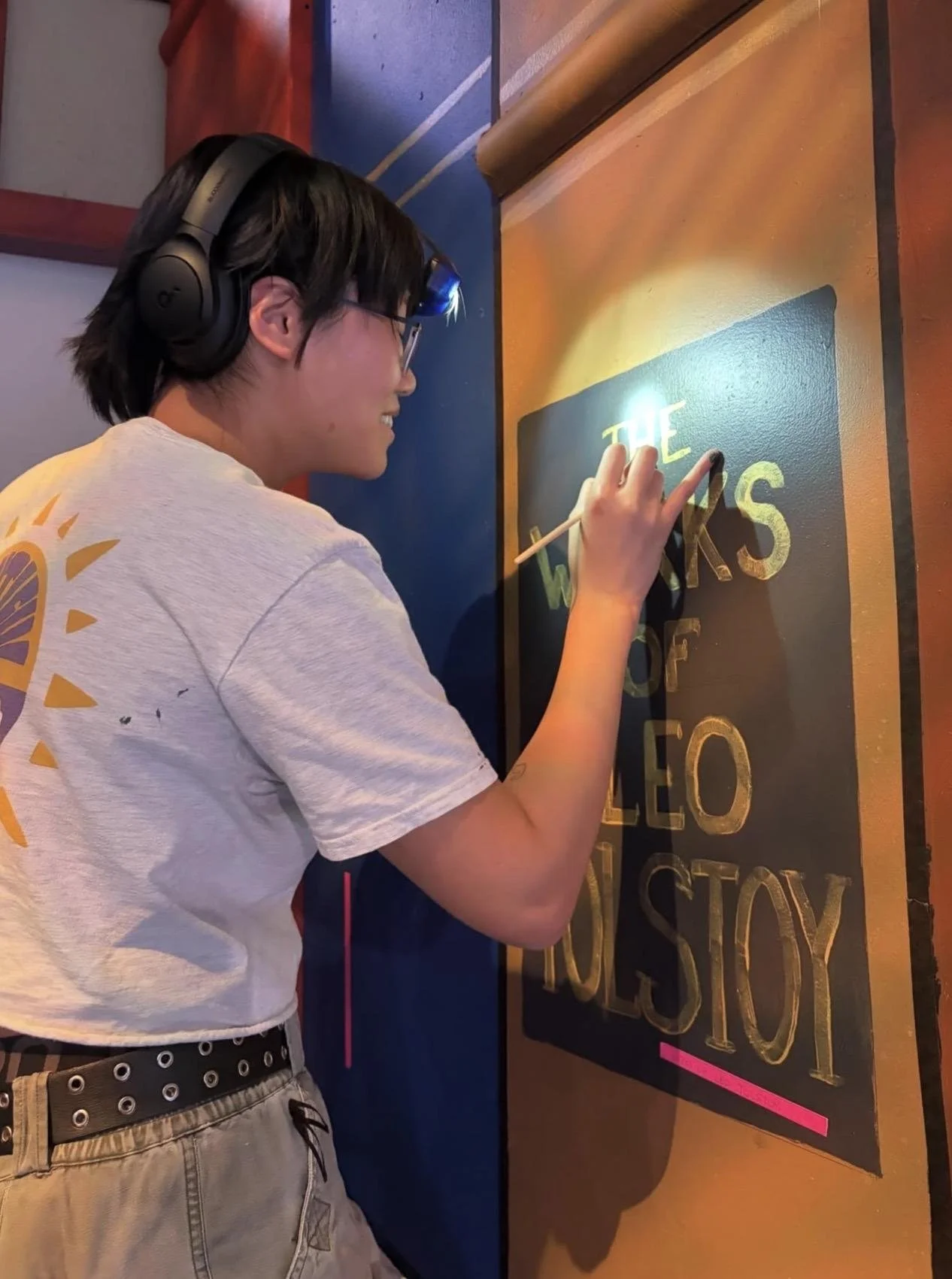
Costume and design practices: Utilized donated fabrics, repurposed materials, and water-based low- or zero-VOC paints to reduce environmental impact across productions.
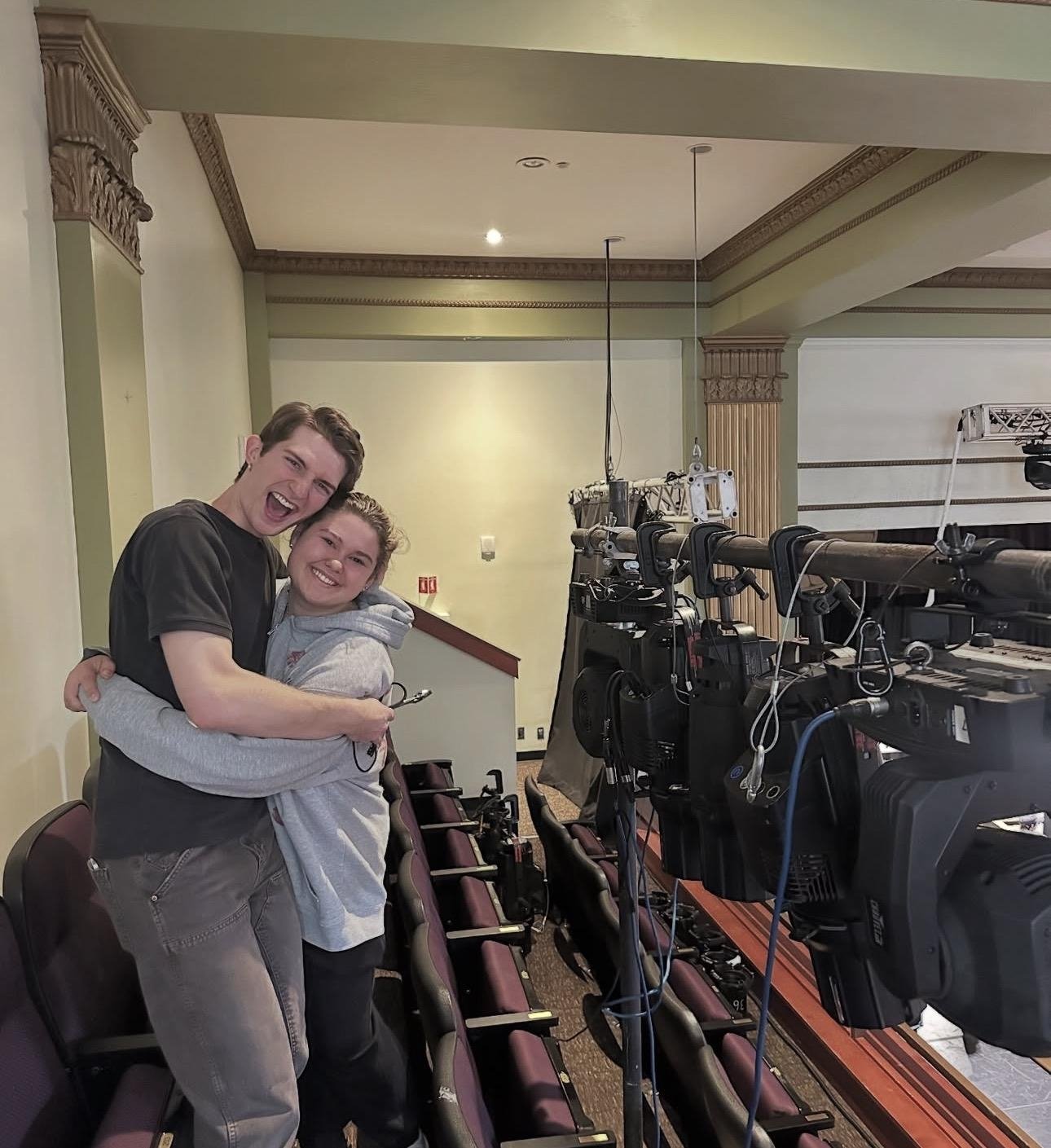
Beyond individual shows, the department has implemented long-term sustainability measures, including digital programs accessed through QR codes, reduced paper use through digital scripts and coursework, rechargeable batteries in theatre equipment, a water bottle refill station to reduce single-use plastics, and energy-efficient renovations featuring LED lighting and Energy Star-certified appliances.
Sustainability is also woven into the department’s curriculum. Through required coursework and faculty mentorship, students learn about ethical sourcing, material reuse, environmental impacts within the entertainment industry, and practical strategies for sustainable theatre-making. These lessons are reinforced through hands-on production experiences that encourage students to carry sustainable practices into their future careers.
By embedding sustainability into its productions, facilities, and educational programs, the Lipscomb University Department of Theatre and Dance has created a model for environmentally responsible theatre-making that will continue to influence students and productions for years to come.